The Rain That Washed Away A Thousand Years
An in-depth exploration of love, loss, and the passage of time in this masterpiece

Sarah Jenkins
156 articles
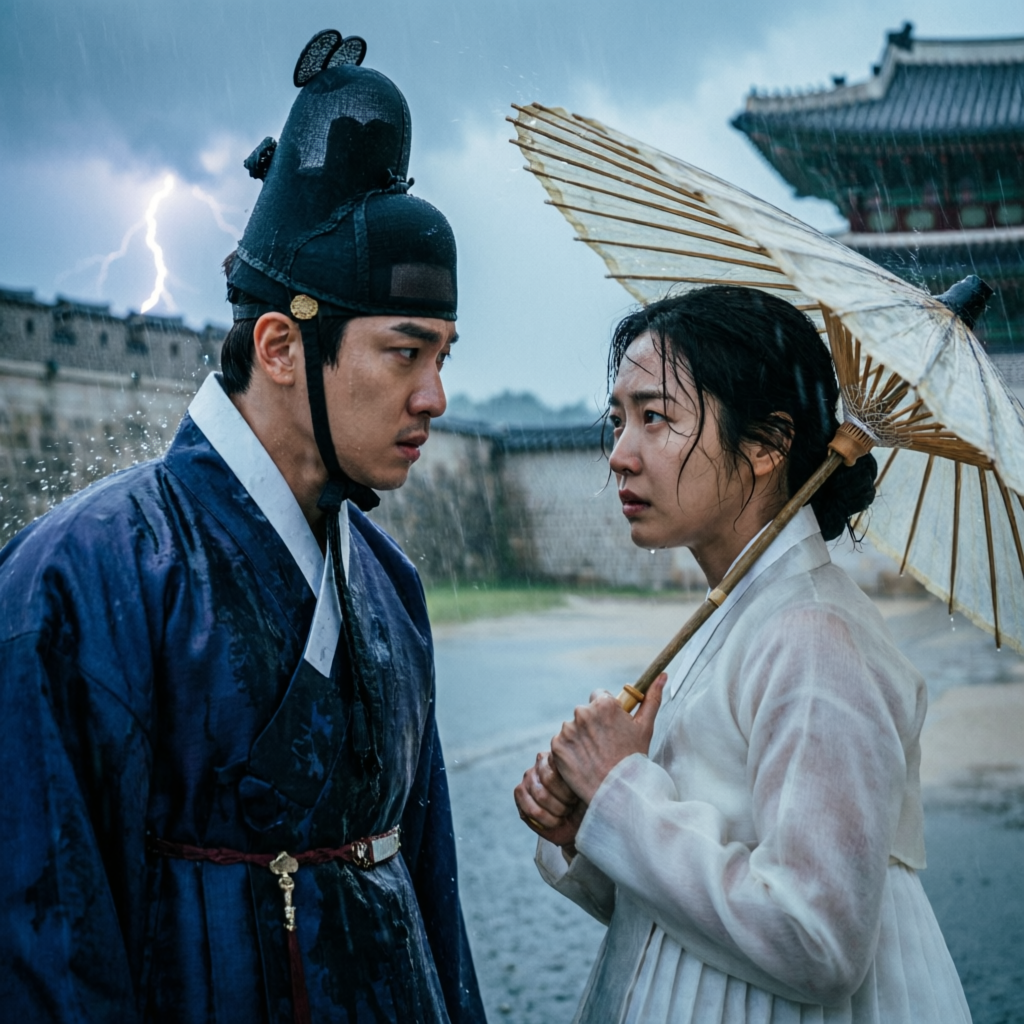
In the annals of historical drama, few works have managed to capture the essence of human emotion quite like "The Rain That Washed Away A Thousand Years." This masterpiece, which premiered earlier this year, has not only captivated audiences worldwide but has also set a new benchmark for storytelling in the genre.
The Genesis of a Masterpiece
The journey began three years ago when director Kim Min-ho first conceived the idea. Drawing inspiration from ancient Korean poetry and folklore, he envisioned a story that would transcend time itself. "I wanted to create something that felt both timeless and immediate," Kim explained in a recent interview.
The production team spent over a year researching historical accuracy, consulting with historians and cultural experts to ensure every detail was authentic. From the costumes to the set design, nothing was left to chance.
"This isn't just a drama; it's a love letter to our ancestors and their stories." — Director Kim Min-ho
Cinematography That Breathes Life
Cinematographer Lee Soo-jin's work deserves special mention. The way light and shadow play across the screen creates an almost dreamlike quality that perfectly complements the narrative's themes of memory and longing.
The rain sequences, in particular, have become iconic. Each drop seems to carry the weight of centuries, washing away the boundaries between past and present. The technical achievement here cannot be overstated—over 200 hours of footage were shot for the rain scenes alone.
Performances That Resonate
Lead actress Park Ji-eun delivers a career-defining performance. Her portrayal of a woman caught between two eras is nuanced and deeply moving. Every glance, every gesture speaks volumes about the character's internal struggle.
Her chemistry with co-star Lee Min-ho (no relation to the director) is electric. Their scenes together crackle with tension and emotion, making their eventual reunion all the more satisfying.
The Sound of Silence
Composer Yoon Mi-rae's score is hauntingly beautiful. The main theme, "Thousand Years," has already become a streaming phenomenon, with over 50 million plays across various platforms. The music doesn't just accompany the story—it becomes an integral part of it.
Particular attention was paid to the use of silence. In an era where most dramas fill every moment with dialogue or music, "The Rain" understands the power of quiet moments. Some of the most impactful scenes contain no dialogue at all, relying solely on visual storytelling and the actors' expressions.
Cultural Impact
Beyond its artistic merits, the drama has sparked important conversations about historical preservation and cultural identity. Tourism to the filming locations has increased by 300%, and there's been a renewed interest in traditional Korean arts and crafts.
Educational institutions have begun incorporating episodes into their curriculum, using the drama as a gateway to discuss historical events and cultural heritage.
Looking Forward
As we anticipate the final episodes, one thing is certain: "The Rain That Washed Away A Thousand Years" has already secured its place in the pantheon of great television. It's a reminder that at its best, drama can do more than entertain—it can inspire, educate, and move us in profound ways.
Whether you're a longtime fan of historical dramas or new to the genre, this is essential viewing. It's not just a show; it's an experience that will stay with you long after the final credits roll.

About Sarah Jenkins
Senior Drama Critic with 10+ years of experience covering Asian cinema and television.
Comments (3)

This analysis is spot on! The cinematography in this drama is absolutely breathtaking. I've watched episode 5 at least three times just to appreciate the visual storytelling.

I completely agree about the soundtrack. Yoon Mi-rae outdid herself with this score. The main theme gives me chills every single time.

As a Korean history enthusiast, I appreciate how much research went into making this authentic. It's rare to see this level of attention to detail in modern dramas.